When you talk to any experienced filmmaker or photographer, you’ll quickly learn that great visuals don’t start with the camera but rather the location. Before the first audition, prop pull, or lighting diagram, the backdrop sets the tone for everything. Effective location scouting isn’t just about finding somewhere that just looks nice; it’s about finding a space that supports the story, works for production, and makes the entire shoot run more smoothly.
Whether you're a director planning a short film, an agency working on a commercial, or a photographer chasing just the right architectural lines, good scouting can elevate your work. Here’s how to approach the process with the confidence and precision of a seasoned location scout.
Start with the Script (and the Mood Boards)
Every successful scout begins long before you set foot in a potential space. The script, or at the very least, a creative brief, should guide your search. Ask yourself what the scene needs emotionally and visually. Is it meant to feel intimate, grand, chaotic, or serene? Your mood boards should dig into this early: references for lighting style, colour palette, architectural character, and environmental feel.
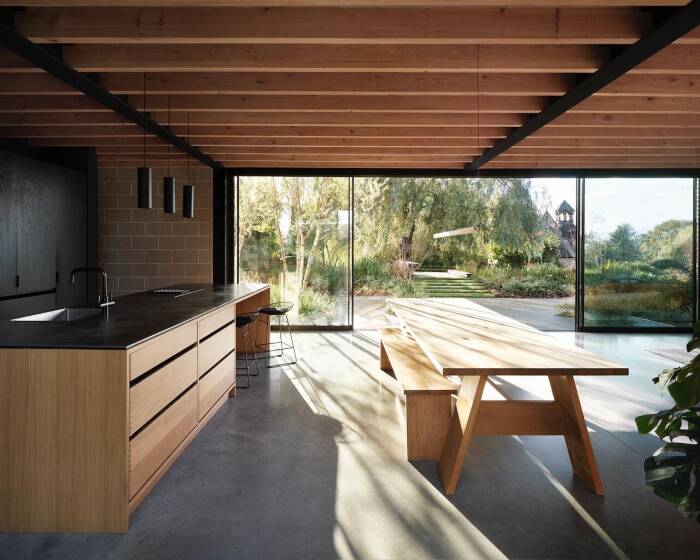
For example, if you’re after an ultra-modern setting with glass, concrete, and clean edges, that’s a very different search than looking for a cosy period cottage with textured walls and low beams. A structured starting point helps you stay focused rather than wandering through options with no idea of what you’re actually searching for.
A strong brief also makes it easier to filter through the thousands of spaces on our platform, from crisp contemporary homes to rustic farmhouses, Victorian schools, Brutalist offices, industrial warehouses, manicured gardens, and more.
Know Your Production Requirements
A location may be beautiful, but if it doesn’t support the needs of the shoot, it can quickly turn into a headache that nobody wants to deal with. This is where film location scouting becomes less romantic and far more logistical. Here are a couple of things to consider:
- Access and parking for crew vehicles, camera vans, and art department trucks
- Electricity availability (or lack of it in rural areas)
- Noise issues like nearby traffic, construction, flight paths, or even overly chatty neighbours
- Natural light and how it shifts during the day
- Space for staging, hair/makeup, wardrobe, catering, client areas
- Local authority permissions, especially in cities like London or Bristol
Think of it this way: a Georgian townhouse might look perfect in the images, but if you’re planning to bring in a crane or eight flight cases of lighting gear, someone’s going to be unhappy. Always double check your location and your needs so you don’t end up in awkward situations or arguments.
Use Digital Tools to Your Advantage
Digital scouting has transformed the industry. Before you even leave the office, you can eliminate most of the unsuitable locations and focus on the ones genuinely worth visiting.
At Locations Direct, you can filter by style, region, space type, light quality, decor style, period, and more using our built-in keywords and tags. You can message hosts directly through your account or work with our agents for full support on more complex projects.
Other tech tools can help too. Google Earth is great for checking surrounding areas, and street view is handy for assessing access and neighbourhood context. Similarly, video tours and 360° walkthroughs help with quick mood checks, while screenshotting and annotating are good for collaborative decision-making. Digital tools don't replace physical scouts entirely (and probably never should), but they do dramatically reduce wasted travel and decision fatigue.
What to Look for With On-The-Ground Scouting
Light
Take notice of the direction, colour cast, intensity, and how it shifts, especially in spaces with large windows, reflective floors, or deep shadows. A warehouse in Hackney might photograph beautifully at 10 a.m. but become unusably contrasty by mid-afternoon.
Sound
Is the location next to a railway line? A busy pub? A school playground? These things matter unless you’re shooting MOS, but it’ll really depend on your circumstances.
Space and movement
Think about where the crew will be, how they’ll move, and how the camera will travel. That elegant Shoreditch loft might lose its charm once you realise the staircase is too narrow to get the dolly upstairs.
Practicalities
Where is the nearest power source? Can heavy kit be easily unloaded? Is there a holding area for talent? Where is catering going?
These on-the-ground considerations separate amateur scouting from professional film location scouting, and it’ll help sort out production-day chaos if you keep these things in mind early.
Build Your Shortlist and Ask the Right Questions
Once you've explored a few promising options, create a shortlist of two to five locations. This helps productions compare realistically while keeping decisions grounded. Next, get clarification on things like:
- Layouts and floor plans
- Access times
- Parking restrictions
- Lighting conditions
- Local authority or landlord rules
- Whether prep/strike days are required
- Capacity limits
Clear communication early on prevents issues later, and our platform makes messaging owners or working with our agents straightforward, depending on your preference.
Budget, Logistics and Negotiation
A great location still needs to fit the budget. Rates often vary depending on:
- The type of shoot
- Crew size
- Length of hire
- Location impact (for example, heavy art dressing)
- Daylight vs. nighttime shooting
- Number of rooms or zones used
As such, you should always factor in considerations like:
- Prep days
- Wrap days
- Overtime costs
- Security or supervision fees
- Local authority charges
- Travel & accommodation for rural locations
As a general rule of thumb, a location that looks cheap but requires three generators and a kilometre of blackout cloth isn’t cheap at all.
Some Final Words
Mastering location scouting means blending creative vision with practical thinking. With the right tools, an experienced eye, and a strong shortlist, you can find spaces that support your story and strengthen your production.
Whether you're hunting for a hidden gem or a statement set-piece, our platform offers thousands of hireable UK locations ready to explore along with the expertise to support any project that needs it. Working with a professional location agency helps ensure transparency, fair negotiation, and a clear contract that protects both productions and property owners.
When you're ready to start your next scout, we’re here to help you find the perfect backdrop.


